Monday, May 31, 2021

Diving into the world of IB


Taking up a new leadership position in a new school can be an exciting and nervous time for anyone.  When that new school is in a foreign country on the other side of the world and operates under a completely different curriculum, it understandably comes with more nervousness than usual.  I found myself moving from a position I felt comfortable and confident in, to being a complete 'newbie' again, asking a lot of questions, needing a lot of support and most of all, taking a much needed journey into the learning pit again as I immersed myself into the world of Qatar Academy Al Khor and the IB - International Baccalaureate curriculum. 
I will start by sharing a little bit about my wonderful school.  QAK is one of several PUE (pre university education) schools that are part of the Qatar Foundation organization.  Qatar Foundation  offers primary and secondary education as well as higher education programs consisting of partnerships with come of the world's top universities as well as local Qatari universities, such as Carnegie Mellow, Georgetown and Northwestern Universities. Since it's launch in 1996, Qatar Academy PUE has grown to five Qatar Academy schools and eight specialist schools around the country.

Qatar Academy schools offer various programs for Kindergarten-Grade 12 students, ranging from IB-accredited school systems to specialized schools that ensure every child gets the education they need. Their programs encompass an international English-medium education, as well as strong Arabic and Islamic Studies, designed to push students to be critical thinkers and active members of society.

Qatar Academy Al Khor was established to serve the needs of the Al Khor community in the north of Qatar. We offer a bilingual program 50% in both English and Arabic and 100% of our students are Muslim, so while our staff are quite diverse our student roll is not, so we are very clear about the community we serve. Our stunning new campus was built 3 years ago and it is mind-blowing!  Coming from a small rural school in Canterbury, NZ that was 150 years old it was a total shock to see such a huge school with every possible resource you could dream of at your fingertips.  We currently have a roll of approximately 1300 students but are built for 1800.  I am the Assistant Principal with the responsibility for leading the Early Years team.  In my team I have 16 teachers and 16 instructional assistants - 50% English and 50% Arabic, with a student roll of 390 this year.  This is just for 3 grade levels - Pre 3 (3yo), Pre 4 (4yo) and KG (5yo).  Compared to my previous role as Principal of Southbridge School where we had 150 students and just 6 classes for students aged 5-10 years old, this has been a huge change for me.

One of very first things I needed to wrap my head around was the change from the New Zealand curriculum and I started working on this long before I arrived in Qatar. In fact, it started when I was offered an interview for the position. In preparation for the interview I obviously read up about QAK and was really excited to find they were an IB school as I had heard a lot about the IB program but had never taught in an IB school before, something I shared openly with the interview panel.  I did however share that in my research (see quote below) I could see huge similarities to the New Zealand curriculum which I know extremely well and shared my views and experience leading teaching and learning under the umbrella of the NZC.  This was enough to get me the job as the panel acknowledged that this type of experience would be valuable and easily transferred to the IB model.     
"Curricular Comparison ... researchers systematically analyzed the alignment of the written content of key elements of both the PYP and the NZC.  The curricular comparison revealed a pattern of coherence between PYP and MZC. The intentions of the two curriculums set out for learners, as well as themes, concepts, attitudes and values they promote, were found to be highly compatible with one another..."         https://www.ibo.org/globalassets/publications/ib-research/pyp/summary-evaluation-of-the-pyp-in-new-zealand-en.pdf 


After I was successfully appointed, m
y admin team at QAK, consisting of the Elementary AP and Principal and the PYP coordinator were super supportive and sent me several key documents to read over in preparation for my move to QAK.  The best source of current, relevant information about IB is to head directly to their website - https://www.ibo.org/. There is plenty of information there and I found myself diving into the PYP - Primary Years Program, focusing most of my attention on learning more about the Programme standards and Practices, the IB Learner Profile and ATL (approaches to learning) Skills. 


The PYP curriculum framework begins with the premise that students are agents of their own learning and partners in the learning process. It prioritizes people and their relationships to build a strong learning community.

PYP students use their initiative to take responsibility and ownership of their learning.  By learning through inquiry and reflecting on their own learning, PYP students develop knowledge, conceptual understandings, skills and the attributes of the IB Learner profile to make a difference in their own lives, their communities, and beyond.

The framework emphasizes the central principle of agency, which underpins the three pillars of school life:


After a few months of learning on the job, observing teacher practice and viewing planning and assessment I felt like I was finally beginning to fully grasp what it meant to be an IB school.  I also knew that when you feel like you are coming out of the learning pit, it is time to challenge yourself and take on some new learning to build on what knowledge you have now gained. I am not one to take the easy road so I thought my first taste of IB professional development should be something that will support me in my role as a leader in an IB School. I enrolled in the "IB Leading the Learning", a category 1, 4 week, PD course that focuses on developing your understanding of the IB philosophy and implementation. It was super challenging but also extremely useful and I would recommend any educator new to IB to enrol in the PD courses they offer.  I have set myself the goal of enrolling in two more next academic year, working my way up to Category 3 courses in the future.  

Wish me luck! 


Tuesday, February 23, 2021

LIFE IN QATAR! Becoming a global citizen - walking the talk...


As-Salam-u-Alaikum, Marhaba! 

A lot has happened since my last blogpost.  I loved every minute of being the Principal of Southbridge School but all good things must come to an end.  I had clear goals of what I hoped to achieve in my time there as principal and the position I wanted to leave the school in and I after nearly 4 years there working to achieve those goals, I knew I was ready for the next challenge, so in December 2019, when I was offered the opportunity to become the Assistant Principal at Qatar Academy Al Khor, in the Middle East the risk taker, traveller and lifelong learner in me jumped at the chance. It felt like it had all lined up perfectly, the timing couldn't be better...and then 2020 rolled around and with that - Covid-19 aka Coronavirus!

No-one could have predicted the enormous and devastating impact that would have on the entire world. And continues to have - as I sit here now it is February 22nd 2021 and Qatar is in the midst of a second wave, experiencing over 450 positive cases a day with nearly 10,000 active positive cases in the country! It is hard to wrap your head around but it is our day to day reality.  It is also very hard for people I know to wrap their heads around how I would leave New Zealand, which is effectively Covid free and people are back living life as normal, to move halfway across the world, as a family of 5, to a country experiencing high numbers of positive cases.  I have to admit I had plenty of worrying and stressful moments but I had made a commitment to QAK and also knew that this was an opportunity we couldn't miss out on.  

Has it been hard - absolutely.  Has it been worth it - ABSOLUTELY!  And I am confident the best is yet to come once the health and safety restrictions start to lift.  Qatar is a wealthy country with the intent and ability to mass vaccinate all citizens and residents.  This week all teachers have started to be vaccinated and I am ready and waiting to join that list.  Once fully vaccinated in Qatar, we can travel again with no quarantine on return back into the country and more importantly are protected from the chance of getting Covid-19.  When that happens my family and I will get to experience Qatar in a new way - no more masks, no more social distancing, no more maximum capacity at events and in buildings!  Playgrounds will open up, children will return to school again, I will see my colleagues faces for the first time since meeting them without a mask on, we can meet in person and hold social events that build community. I cannot wait!  

In the meantime I thought I would start blogging again to try and capture this once in a lifetime experience while living through it.  I will share my experiences of education and life in Qatar and welcome your comments and questions as well. 

About to board my flight to Doha

Our new 'normal' started on the plane and has yet to end
Adapting to our new life in Doha

While very different to NZ, we love our new home Qatar!


Monday, August 3, 2020

Springboard Trust - such an awesome opportunity to grow your strategic leadership skills


Thrilled to see this write up go public from Springboard Trust sharing the journey and positive outcomes that we experienced after I had the opportunity to participate in the SLPP - Strategic Leadership Programme for Principals.

 I would highly recommend this professional development opportunity to all school principal's out there wanting to grow their understanding, knowledge and skills in strategic planning.

https://www.springboardtrust.org.nz/news/a-golden-plan-tamara-bell-on-how-slpp-helped-southbridge-school

Sunday, May 6, 2018

Strategic Leadership for Principals Programme 2018


I am a self confessed 'learning junkie'.  I love learning - I constantly seek out new opportunities and challenges that will push me and help me to grow.  I won't lie, there have been MANY times when I get pushed so hard that I swear I will just chill and take things easy for awhile but it is never long before I start getting the urge to dive into something new.
At the end of 2017, a principal colleague told me about a possible opportunity coming to Canterbury in 2018 - The 'Strategic Leadership for Principals Programme - SLPP' .  I had heard lot's of great feedback about the Strategic Leadership for Principals’ Programme but had thought it was only available in Auckland.  SLPP is a 10-month, free programme that leverages cross-sector expertise to provide strategic leadership development and support for New Zealand principals. Needless to say - this immediately interested me and so I submitted an application to be considered in the first group of principals selected for Canterbury.
Last term, I was selected for the Canterbury intake for 2018, alongside 5 other fantastic Canterbury principals: Blair Dravitski - Linwood Avenue School, Anthony Faitaua - Rowley Primary School, Denise Torrey - Somerfield School, Andrew Leverton - Geraldine Primary School and Shane Buckner - Wairakei Primary School.  

So what is SLPP all about?  
International research shows the pivotal importance of good strategic leadership for both improved school performance and student outcomes. 
The Strategic Leadership for Principals’ Programme is an action-orientated curriculum which helps principals build robust strategic plans for their school. 
Facilitated by senior business leaders and supported by skilled capacity partners, the programme is also designed to support each principal in their leadership development. Programme content is frequently updated by subject matter experts and tailored to meet the needs of individual participants by skilled facilitators.
In the Strategic Leadership for Principals’ Programme, we work intensively with cohorts of six principals over 10 months to develop strategic plans for their schools.
Senior business leaders facilitate a series of workshops in which principals learn about strategic planning in an education setting.
Peer collaboration encourages the development of problem-solving capabilities and the acquisition of new skills in an environment in which principals can speak frankly and openly.

98% of principals on the Strategic Leadership for Principals' Programme have indicated that they learnt a lot by sharing with other principals in their cohort.


2017 Programme Impact Report
A capacity partner is assigned to each individual principal through a careful matching process to further support them in the process of developing useful strategic planning skills. The capacity partner coaches the principal outside of the workshops to help them produce their own strategic vision, plan and goals that will address the unique issues they face in their school.
Capacity partners are drawn from a pool of knowledgeable skills volunteers with successful business or public sector leadership experience.
At the end of the programme, each principal has developed a three-year strategic plan for his or her school, a one-year action plan, and has gained an enhanced support network of peers and business people.
For more information, check out their website: 

Capacity Partner 
I am thrilled that my mentor on this journey is Sarina Finucane, the CVP Manager (customer values proposition) for IAG.  We have lots in common but lots to learn from each other too. I am excited about participating in this awesome programme so early on in my principal career and all the learning and opportunties that may come from it! 

Tuesday, September 12, 2017

My latest EdTalks: Developing cultural responsiveness in schools

Developing cultural responsiveness at Cobham Intermediate from EDtalks on Vimeo.


Last year when I was the Deputy Principal at Cobham Intermediate, I was asked to be filmed for an EdTalks special on cultural responsive practice and what this can look like in action in a school setting and how we were going about developing a culturally responsive environment. 

I focused my discussion on the way this happens from a relational position and how the staff at Cobham Intermediate began this journey together working on their practice, and then spread that learning to their classrooms. I tried to outline how important it has been for staff to consider the tikanga in the school and that the values they are developing around this practice will be beneficial for all, while reminding us all that the kaupapa of a school is developed as part of a school’s obligations under the Treaty of Waitangi and being part of a bicultural nation, and that this is an important position for all schools.


Thursday, July 20, 2017

Digital apps to support teaching and learning


Even though I have moved back into school life and am no longer a digital technologies advisor, I still have the absolute pleasure of being asked to co-facilitate the Ako Panuku 'Technology for teachers' hui each year with my good friend and co-facilitator Dee Reid.

Naturally at these types of hui, we get asked about what the 'best' apps/websites are for the classroom.  And Dee and I always respond with the same answer - the technology is just a waka/vehicle or tool, you need to firstly understand what you trying to achieve, what is the learning task?

Ako Panuku created this very cool resource for teachers showcasing some possible apps that can be used as the waka/vehicle for different learning tasks e.g. researching, summarising, presenting etc.  This was created in Thinglink - a powerful tool in itself!

https://www.thinglink.com/scene/806367909889703936%20

If you hover over the app, a description will pop up.  You can also hover over the different strategies and get a pop up description and if you click on the down arrow you can even download a word doc copy of the description and step by step how it can be used, including a link to a template.

Ngā mihi nui ki a Ako Panuku!!!

And if those apps don't satisfy your thirst for new and engaging ways to integrate tech tools into your classroom, then I am sure these will...


Tuesday, June 6, 2017

Coaching Leadership

Beginning Principals Regional Hui #1


Coaching Leadership - Jan Robertson
http://www.nzcer.org.nz/nzcerpress/coachingleadership

Group coaching can be self-sustaining.  Follow the G.R.O.W model...


G - What do you want? What are you aiming to achieve? What would the ideal look like? Why is it important? What would happen if you did not focus on this?

R - What is happening now? What are you doing now? What obstacles have you encountered? What works?

0 - What alternatives are there? Which options interest you? Have you thought of...?

W - What are the next steps? What might get in the way? What support/planning is required? Is the goal still important? What are the barriers, enablers, time frame?


What does Stephen Covey have to say about active listening?
https://www.stephencovey.com/7habits/7habits.php

"Seek first to understand, then be understood"

If communication is the most important skill in life, how much training have you had in effective communication?

Most people seek first to be understood, wanting to put their opinion across, share their story. Most people listen with the intent of replying, not to listen and understand the other person.  You are filtering their story through your own paradigm.  We decide prematurely what the other person means, often before they have even finished speaking.

Empathetic listening - invest in their story, listen for their details, not applying it to your own experiences.  What happens when you truly listen to another person? The whole relationship changes.  You don't agree or disagree - you try to see it through their eyes/perspective.  You make that person feel valued.

The root cause of almost all human problems is poor communication. People do not listen with empathy. What does this look like...

Give the person your full attention
Don't ask questions or give advice
Don't share your own 'war stories'
Focus on what is said
Listen for what is not said and for what is important to the speaker

Wednesday, May 10, 2017

Reflecting on who I am

Manukura Hui - workshop 1, day 2


What?

Part of our learning today has been about looking at what we value and what our values are.  As a group we had a deck of cards with different values on them and we had to collective get the deck down to just 10 cards of what we value the most - a very challenging task!  Hearing the discussions between our group about what we value and why was great for opening my eyes to the different perspectives and beliefs of others while at the same time identifying and clarifying what is important to me and why.

After this task, we had to draw a 'Tree of ME' ( I chose to do mine digitally so you can already see what I value shining through in that decision!).

In the leaves of the tree we were asked to write a few things that describe us and our roles.  Across the trunk, we had to write 3 things that describe the type of leader we are or want to be and in the roots we had to identify approximately 6 or so things we value.

You can see on the left side I have also bullet pointed some of my perceived strengths and on the right side, some of the things I have identified that are needs, next steps or skills I would like to strengthen.

So what?

Reflecting on who I am, what is important to me and why and how this influences the strengths I bring to the table is important in developing and growing my leadership as an effective leader. It is critical for leaders to know who they are so they can understand why others should be led by them.  

If I don't believe in myself as a leader, then why should anyone else?

We need to see and accept the differences we all bring to the table - different skills, knowledge, values and experiences.  

"We hire people for their skills but the whole person turns up".    Denise R Green


What now?

Some actions for me to achieve...
I will re-visit my appraisal/leadership goals and determine where I can add some actions to start to address the areas of myself I have identified in the Tree of Me that I would like to strengthen.  I would also like to seek some feedback from staff, whānau, BoT and students around what they perceive to be my strengths and areas to strengthen so I can see if they align or something else bubbles to the surface.  Finally I would like to model that I am too a learner and have goals that I am working towards, so I will share my appraisal goals with my staff and community.

Tuesday, May 9, 2017

Principalship - the next evolution in my leadership journey

Ako Panuku - First Time Tumuaki workshop - 'Manukura'

At the end of last year, I was successful in being appointed Principal of a fantastic rural primary school in Canterbury, starting in Term 1, 2017.  With my first term now under my belt, I have finally returned to my blog in order to be true to my desire to be open, honest and transparent with my personal learning journey and to share the ride with others, in the hope that it might help others out while also helping me make sense of my own growth and development.


Ako Panuku - First Time Tumuaki workshop - 'Manukura'

Day 1 of workshop 1 - Fierce Focus
Ko te kaupapa o tēnei rā tuatahi - Fierce Focus

Facilitators - Lynette Bradham and Keriana Tāwhiwhirangi

Leadership journey - sharing who we are and how we arrived here today, as first time principals

Care...collaboration...clarity - all working harmoniously together

Authentic leadership - don't compromise who you are.  Promote the type of leader you want to be, own it.

Share and declare: it keeps you accountable, once you share it you are opening the door for people to judge whether you are succeeding or not in being true to your leadership style.

To much compliance and not enough performance is tragic!

Appreciative inquiry works through 3 steps = A.A.A - Acknowledge, Apologise, Assurance

Q. What would people who meet you in your role as the school principal say about you?
Q. How do you know?

Know the effect and impact your leadership has on others.  Be the best that you can be!

Appraisal goals - its vital that we include a goal around developing/growing/strengthening your leadership knowledge and skills.  Many goals are focused on achieving a task e.g. show effective leadership to ensure we meet our annual targets.  If it's not in your goals - work it into the action in your plan, HOW are you going to lead it e.g. I will mentor the teachers who have the target groups of students by meeting with them fortnightly to listen, learn and challenge.

Silence = tolerance - if you see, hear or know that there is an issue e.g. poor leadership, governance, practice, relationships etc you must address it.  If no-one pulls it up, then you are giving permission for it to continue and grow.  M.Fullan - move towards the danger.  Courageous leadership means to identify and address the issues.


End of the day reflection...

Having the opportunity to come together with other first time Māori tumuaki/principals has been invaluable.  When some of us were asked to give 1 word that sums up our day I heard - safe, synergy and support.  Being with other principals with Māori connections, beliefs and experiences made this a safe environment to talk about our unique experiences as Māori leaders in our first principal role. Synergy came through in the ways we all talked about similar ways of working, how we were feeling, successes and challenges we have been faced with and how we are experiencing our new positions.  Support was given and received by all - we all empathised with each others stories and shared ideas and tips for helping us solve challenges we face, or being able to work smarter, not harder.


Click here if you want to know more about Manukura and Ako Panuku


Wednesday, December 7, 2016

Friday, October 28, 2016

New waiata possibility for next year

As part of our mihi whakatau process and work on a school graduate profile, we have been discussing what we feel is important for our Cobham graduates to have in their kete when they leave us to move onto high school.

We have now embedded tikanga and te reo practices across our whole school that means our kids know two karakia tīmatanga (starting blessings) and two karakia whakamutunga (ending blessings) as well as waiata Manu Tiria, a Ngāi Tahu waiata, who are mana whenua here.

I saw this waiata shared on Youtube by a fellow teacher colleague that is part of my Twitter and Flipped Classroom practitioners network and thought it might be a great one for our kids to learn too - he aha ou koutou whakaaro e hoa mā? (What are your thoughts my friends?)


Wednesday, October 26, 2016

Reflecting honestly on my leadership practices...

Forgive me blog for I have sinned - it has been several months since my last post, eeek.


I wanted to write that and formally own that because I know how challenging it can be for our teachers to ensure they are reflecting regularly and analysing their practice on top of the day to day grind of teaching, managing, coaching, personal life etc and I am no different. I believe it's important for a leader to understand other peoples roles, their workload and what it takes to juggle everything and prioritise their tasks and that a good leader will role model this themselves. So, although my role changed last term from DP to Acting Principal, I didn't want to drop the ball and ignore my responsibilities to reflect on my own practice when and where possible.
This reflection is about my change of role. I wanted to reflect back after having been in the hot seat for several weeks and look firstly at what the change of role was like, what difference it made to my professional growth and development and what might eventuate out of this change.
To be quite honest, the change to acting principal was quite seamless in some ways. I was lucky enough to work alongside my last principal more than for them and so there was very little that I didn't have involvement in already as the DP. In saying that, there have been some small but noticeable differences. I felt more withdrawn from staff and students. A huge amount of the principal's work at our school seems to revolve around meetings. My role as DP was all about administration and relationships - staff, students and whānau. As acting, it was less of all of those things but a huge increase in meetings - CAIMS, cluster, CPPA, Ministry, Board, transition meetings and planning for the new principal and 1-1 family visits for new students looking to enrol. My admin dropped a lot which is nice but I seriously missed the daily connection to staff and students. Reflecting on what this means and what I have learned is that I feel that the principals role in a large school is often just as the face of the school. The person who fronts and speaks on behalf of the school. The only way you can be successful in this role e.g. being able to make the right decisions in the best interest of your staff, students and community, is if you know their strengths and needs really well. Herein lies the paradox - how do you know this crucial information really well if you are always off/busy in meetings? I can see how the disconnect could have serious repercussions for a school if the principal becomes quite distanced from the heart and soul of a school (kids and staff) that they then become the face and voice/decision maker about school issues they may not know enough about. This of course will lead to disillusioned staff, poor resourcing, lack of communication etc. The challenge is maintaining the vital balance of being available to and engaging with your school community while upholding your responsibilities to the external groups. How I dealt with that challenge was through calendar scheduling (critical in this role) and blocking out time for anyone who asked for it. I also continued to keep my door open at all times when I wasn't in a meeting which is what I have always done as a DP. I don't know how feasible that would be if I was in the role full-time but for 1 term I was determined to keep that tikanga going.
In relation to what difference this change has meant for me professionally and personally and next steps, I am grateful to have had the opportunity. It did open my eyes to some of the challenges and possibilities of being a school principal and it has made me carefully consider if this is something I want going forward. Being the principal of my current school was appealing because I know and love our kids and staff. But what would it be like at another school? I also know that the demands on your time can leave very little for your own family and personal health/fitness if you allow the balance to be one-sided. So yes applying for principals positions make sense in terms of a next career step but that would depend heavily on the school, the location and the school community. People are important to me and make it either really worthwhile or really hard work! I won't be rushing into anything but am a firm believer I will make the right decision about my next career move when the right opportunity comes knocking. Although I have only been here at my current school for almost 2 years, both as DP and then as acting principal for 1 term, I aim to add some value to the school in some way and that is my priority and goal for now.
Another key reflection around my leadership practices occurred earlier this year while I was away at a leadership hui in Auckland and I was able to reflect on some of the areas of my leadership I feel need to be developed.
While attending the hui we were working on some activities to identify our leadership style. One of the key breakthrough a-ha moments for me was when I was becoming frustrated that there were some issues happening back at school. I was being emailed or rung about about how to solve an issue or just being kept in the loop. This is a good thing in some ways e.g. open communication etc, but I also reflected that I seemed to be often needed and contacted whenever I am off site. The facilitator of the hui did a great job of challenging me about why staff were emailing, ringing me and made me turn it back to myself and have me consider whether this was about the confidence and competence of staff or more about my leadership style. Have I set up systems and organised things so that I am the one needed to make decisions or act, rather than empowering others to be able to do that?
I have always known I like to get things done and can sometimes think 'I will do this myself because I want it done a certain way or by a specific time'. Although I of course want to be consulted and informed of key issues, I need to build the skills and capabilities of others to be able to address issues effectively, whenever I am unavailable or they are in the right position and capable of doing it themselves.
We have structured the leadership team for this to happen specifically around behaviour, but I can see the need to ensure this becomes more widespread. Even the example of our Monday morning admin meetings, where I am always the one to set the TV up, run through the agenda and lead the discussion. I noticed that if I am late and I assume when I am not there, no-one really takes the initiative to lead this themselves. Not because they cant, but perhaps because they see me doing it and assume it needs/should be me, when in reality, it doesn't.
I like to think I can help everyone and want to reduce the workload for teachers as I know they are so busy and appreciate any support they can get, but often this means that I rush to step in and 'fix' things for them, rather than with them. I need to ensure my inner control freak is kept under control!
One of my next steps is to hunt out opportunities to openly encourage other people to step up and problem solve, take on small but key leadership responsibilities or make important decisions themselves. When staff come to me and ask me to 'fix' something, a key statement I will use from now on will be "Thanks for sharing this issue with me, how can I help you to resolve it".

Tuesday, October 18, 2016

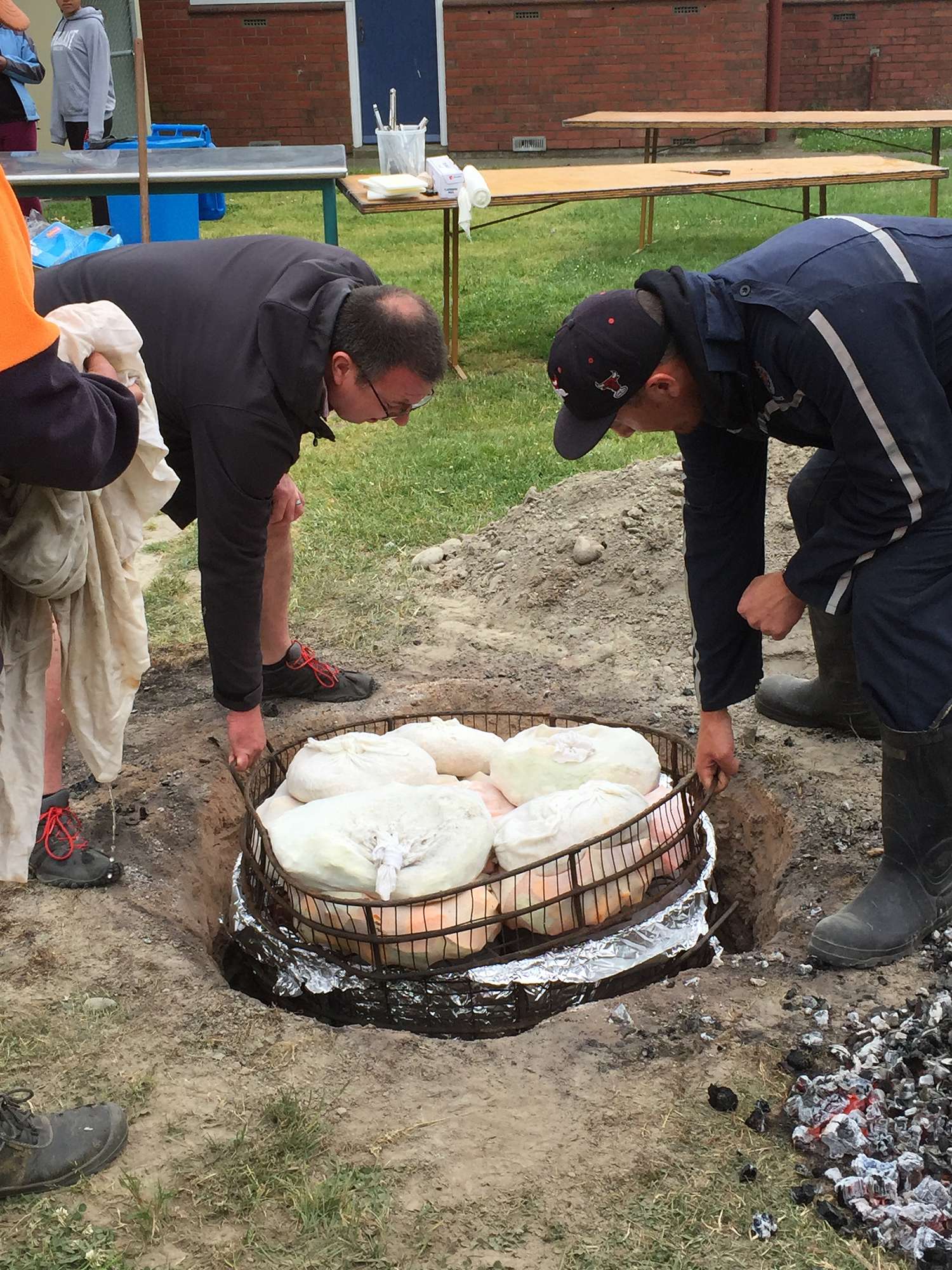
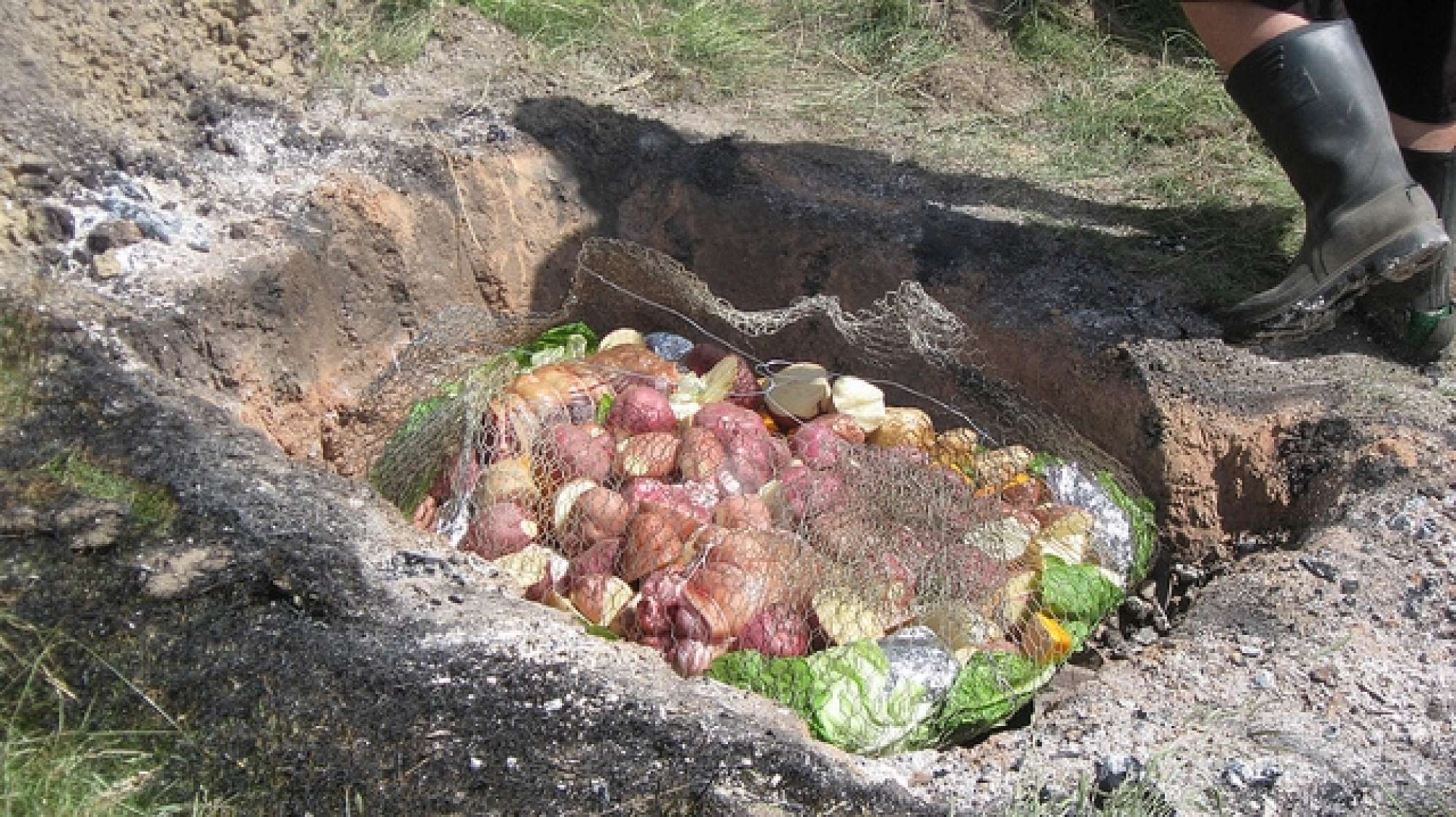
Cobham Hāngi - Wednesday 30th November!

Hāngi pitHāngi pit — by Tamara Bell

Get your orders in now and join us for a hot, delicious hāngi here at Cobham this term!

Friday, July 8, 2016

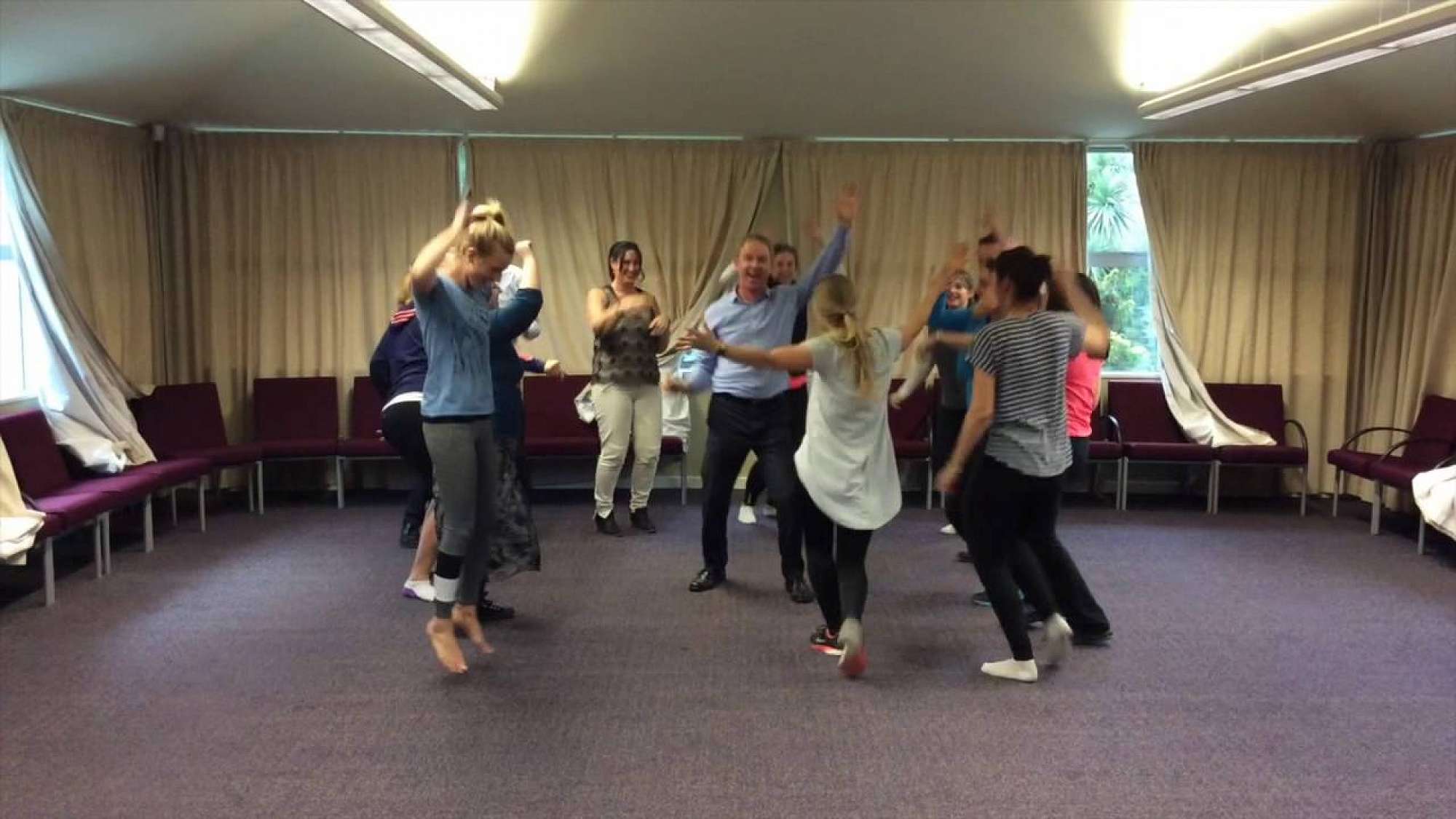
Ditch the desk and dance staff challenge!

Video: DTDAD Cobham Intermediate Staff 2016Video: Video: DTDAD Cobham Intermediate Staff 2016 — by Sophie Crawford

This term all of the tamariki at Cobham Intermediate School have participated in the Ditch the Desk and Dance challenge..and the staff responded!

Thursday, July 7, 2016

Tuesday, July 5, 2016

Te Wiki o Te Reo Māori

image

This week is Māori Language Week with the theme Ākina te Reo - give te reo Māori a go!

Wednesday, June 22, 2016

Asia New Zealand Foundation Leaders Workshop

image

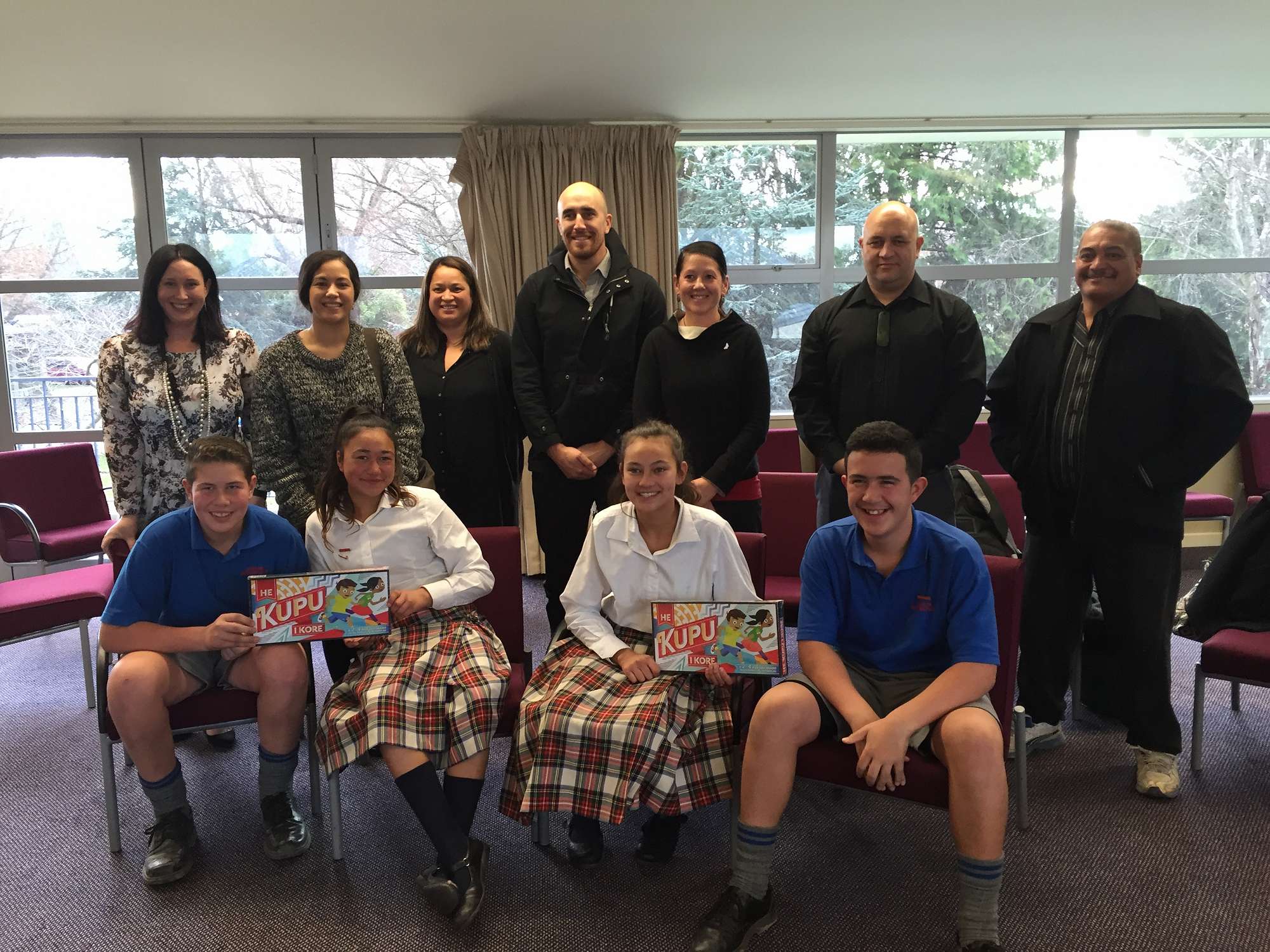
Cobham had the privilege of hosting the Asia NZ Foundation leaders Canterbury workshop this week.

Thursday, June 16, 2016

Matariki - what do you know about this time of year?

Kua puta Matariki ka rere Whānui.

Ko te tohu tēnā o te tau e!


I have been thrilled to have my babies come home from their school this week excitedly talking about Matariki.  They are proud to tell me they "know lot's about Matariki" and we have been getting up early to go outside to try and find ngā whetu o Matariki (the Matariki stars).

Matariki is the Māori name for a group of stars known as the Pleiades star cluster. Contrary to popular belief, there are nine stars in the Matariki constellation instead of seven. The Māori New Year is marked by the rise of this star cluster and the sighting of the next new moon. This year, 2016, Matariki started on 6 June.

There are some amazing resources out there to support teachers sharing the kōrero and importance of Matariki. Firstly, try to connect to your local Māori community to find out if there are any events or local tikanga or history you should know about Matariki (like this awesome Matariki celebration happening locally where I live).

All teachers should check out this webpage on New Zealand Curriculum Online too which has an abundance of great links to YouTube clips and supporting websites and resources:
http://nzcurriculum.tki.org.nz/Curriculum-resources/National-events-and-the-NZC/Matariki 

And if none of that helps you learn about the Matariki story, here is one of my daughters telling you what she has learned about Matariki so far...DISCLAIMER: please don't take it as gospel but rather a super cute version of a 5 year old from Aotearoa trying to summarise all the cool new things they have learned about Matariki this week!  :)